
Research Image Plagiarism Software

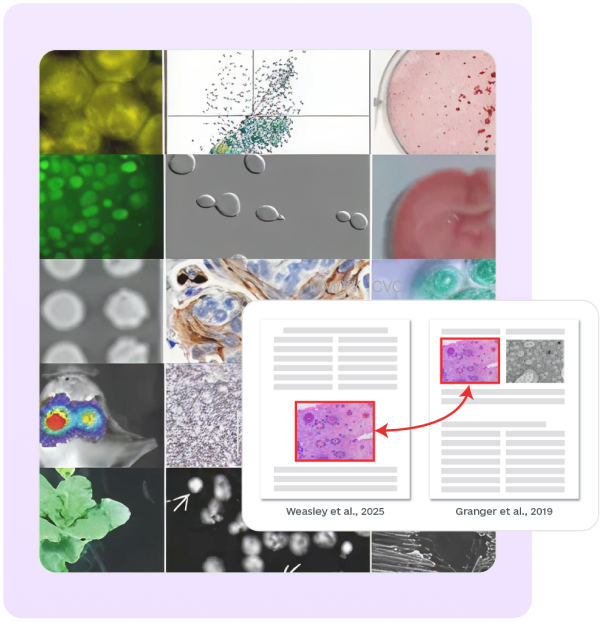
Reusing published images without attribution is a form of scientific misconduct. Imagetwin helps check image plagiarism across journals by scanning 150+ million images.

Trusted Image Integrity Solutions

Comprehensive cross-publication screening to identify reused figures and protect research originality.

Cross-Publication Plagiarism Detection

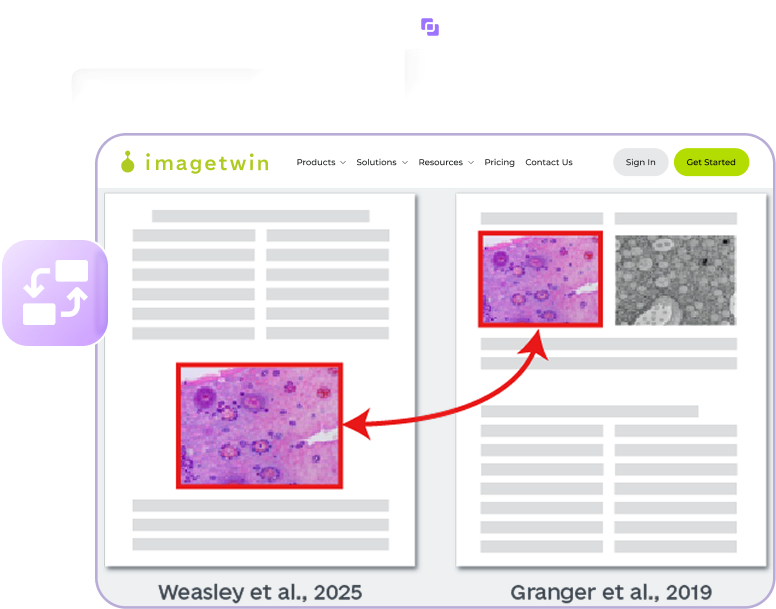
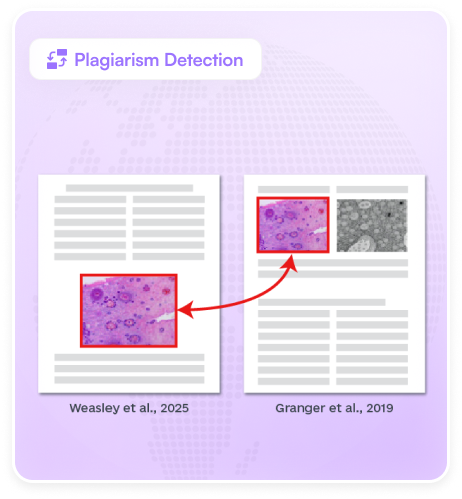
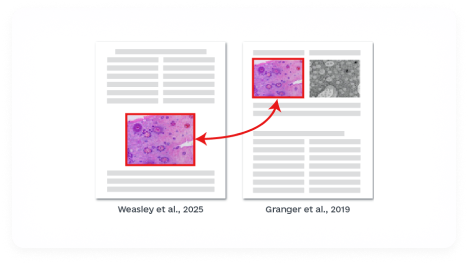
Flags figures that have been reused from other papers, even if they are altered.

Backed by a Large-Scale Scientific Image Database

Scans over 150 million, and growing, published images across disciplines.

Built for Research Integrity Teams

Designed for publishers, editors, and institutions to review image originality before or after publication

Plagiarism Checker for Images

Imagetwin helps to detect life science image plagiarism from other publications without proper citation. By matching submitted images against a growing library of published figures, the system supports early detection of plagiarism and helps preserve the originality of visual research.

Each match includes detailed source information, tracing duplicate origins through DOI, PubMed, PMC metadata, and research identifiers for complete transparency.

How Imagetwin Detects Academic Image Plagiarism

Screen your images against 150 million published figures in three simple steps.

1

Paper or Image Submission

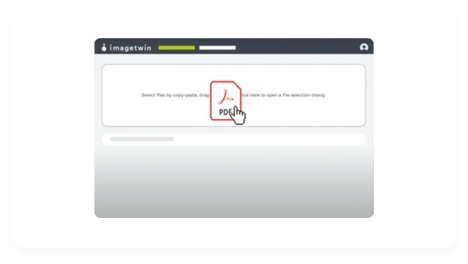
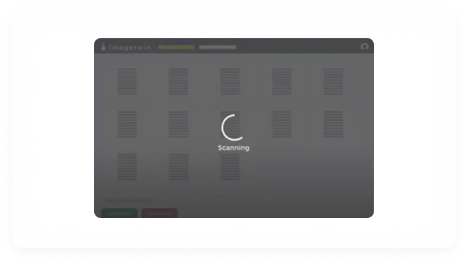
User uploads entire manuscripts, files or individual images to our secure platform for analysis.
2

AI-Powered Detection

The software compares submitted images against 150+ million published figures using pattern recognition and metadata tracing.

3

Confidence Score & Reporting

Receive a report highlighting detected issues. Each case includes a confidence score, bounding boxes, similarity scores and source citations.

The Risks of Image Plagiarism

Research plagiarism can have serious implications for researchers, institutions, and publishers. Reusing published figures without proper citation or permission is a form of scientific misconduct and might lead to:

Retractions and Corrections

Journals may retract or issue corrections for papers with plagiarised figures, even if the written content is original.

Damage to Reputation

Authors and institutions risk losing credibility, which affects funding, collaborations, and future publishing opportunities.

Institutional Investigations

Cases of suspected image plagiarism trigger formal inquiries by research institutions or ethics committees.

Loss of Trust in the Scientific Record

Reused images without transparency undermine confidence in research findings and the peer review process.

Delays in Publication or Peer Review

Plagiarised figures identified during submission delay the peer review, require revisions, or result in manuscript rejection.

Legal or Licensing Issues

Some figures may be under copyright, making unauthorised reuse a potential legal concern in addition to an ethical one.

Powerful Features for Manipulation Detection

Research plagiarism can have serious implications for researchers, institutions, and publishers. Reusing published figures without proper citation or permission is a form of scientific misconduct and might lead to:

1. AI-Powered Figure Matching

Compares submitted images against 150+ million published figures to identify cross-paper reuse, even when images have been altered.
Assigns a probability score from 0-100% to help assess the severity of detected issues, allowing reviewers to prioritize
Each match includes DOI, PubMed, and PMC metadata, making it easy to trace the original publication.
Generate detailed PDF reports showing matched figures, bounding boxes, similarity scores, and source references.
Integrates into existing workflows, enabling large-scale automated plagiarism checks through bulk processing and APIs.
Build a private image database and automatically screen new submissions against your own published content.

Why Choose Imagetwin?

Image plagiarism is a growing concern as publication volumes increase. Imagetwin is an image plagiarism checker that detects reuse across journals, preprints, and archives.
Specialised for Published Figure Matching
Trained to identify figures reused across publications, including altered or partial visuals.
Our detection process is designed to be efficient, helping journals, publishers, and institutions identify concerns early in the publication process.
We prioritize data encryption and privacy, ensuring your files remain confidential.

Scans against a database of 150+ million, and growing, scientific figures with continuous updates.

Imagetwin also offers AI-generated image detection, image manipulation analysis, and duplication checks, providing a full toolkit for visual integrity review.
Used by publishers and research integrity teams to evaluate originality before publication.

Protect Research Integrity with Confidence

Start using Imagetwin to detect image integrity issues and support trustworthy research publishing.

Frequently asked questions

Imagetwin compares submitted figures against a database of over 150 million published scientific images using pattern recognition. Matches are flagged with bounding boxes, similarity scores, and confidence levels, along with full source tracing via DOI, PubMed, and PMC metadata.

Yes. Imagetwin identifies reused figures even when they have been cropped, rotated, flipped, resized, or adjusted for brightness and contrast.

The database is built through partnerships with academic publishers and journals, along with open-access publications. It is continuously updated with newly published images.

No. Uploaded files remain private and are never added to Imagetwin’s global database. All uploaded images are automatically deleted once processing is complete.

Plagiarism detection compares your images against published literature to identify cross-paper reuse. Duplication detection identifies reused figures within a single manuscript. Both features run as part of every Imagetwin scan.